Be yourself; Everyone else is already taken.
— Oscar Wilde.
This is the first post on my new blog. I’m just getting this new blog going, so stay tuned for more. Subscribe below to get notified when I post new updates.
Be yourself; Everyone else is already taken.
— Oscar Wilde.
This is the first post on my new blog. I’m just getting this new blog going, so stay tuned for more. Subscribe below to get notified when I post new updates.
Managing your business’s finances can be a time-consuming and complex task. For many small and medium-sized businesses (SMBs), it can be a burden that takes away from focusing on core growth activities. This is where outsourcing accounting and bookkeeping services comes in.
What Does Outsourcing Accounting and Bookkeeping Entail?
Outsourcing accounting and bookkeeping involve contracting with a third-party firm or individual to handle some or all of your financial record-keeping tasks. These tasks can include:
Benefits of Outsourcing Accounting and Bookkeeping
There are several advantages to outsourcing accounting and bookkeeping services:
Things to Consider Before You Outsource
Before you decide to outsource your accounting and bookkeeping, there are a few things to consider:
Finding the Right Outsourced Accounting Provider
There are many qualified outsourced accounting and bookkeeping firms available. Here are some tips for finding the right one for your business:
Conclusion
Outsourcing accounting and bookkeeping services can be a great way for businesses to save time and money, improve accuracy and efficiency, and gain access to a wider range of expertise. If you are considering outsourcing your accounting, take the time to do your research and choose a reputable firm that is a good fit for your business.
https://www.globalaccountspartner.com/contact

Considering a career in the exciting world of clinical research? A Clinical Research Certification Course can be your stepping stone to a fulfilling and impactful role. This article will explore why these courses are crucial for launching your career in this dynamic field.
Enter the Power of a Clinical Research Certification Course
While a science background is beneficial, a Clinical Research Certification Course is your stepping stone to a successful career in this dynamic industry. Here’s why enrolling in one is a smart move:
Start Your Clinical Research Journey
By enrolling in a PG Diploma in Clinical Research Courses, you’re taking a proactive step towards a fulfilling career in healthcare. The knowledge, skills, and industry recognition gained will empower you to make a real difference in the lives of patients worldwide. So, take charge of your future and explore the exciting world of clinical research – it all starts with the right certification!
Clinical data management (CDM) is the cornerstone of clinical research, ensuring the accuracy, integrity, and usability of data collected during clinical trials. It’s a meticulous field that plays a vital role in bringing safe and effective medications and treatments to market. If you’re fascinated by the intricate world of clinical research and possess a keen eye for detail, then a career as a Clinical Data Management (CDM) Officer might be your perfect fit.
Why Pursue a Career in Clinical Data Management?
The role of a CDM officer is multifaceted. You’ll be responsible for designing data collection tools, overseeing data entry, ensuring data quality, and ultimately safeguarding the integrity of the entire research process. Here’s what makes this career path so compelling:
Online Courses: A Stepping Stone to Your CDM Success
While a traditional college degree can be beneficial, online Clinical Data Management Courses offer a flexible and accessible alternative to enter this rewarding field. Here’s how online courses can empower your journey:
Choosing the Right Online CDM Course
With a plethora of online courses available, it’s crucial to select one that equips you with the necessary knowledge and skills. Here are key factors to consider:
Equipping Yourself for Success: Beyond the Coursework
While online courses provide a solid foundation, consider these additional steps to solidify your qualifications:
Conclusion
By leveraging the power of online Clinical Data Management (CDM) courses, coupled with dedication and a thirst for knowledge, you can embark on a fulfilling career path. Remember, this is just the beginning. Continuous learning, a keen eye for detail, and a passion for accuracy will pave the way for your success as a CDM Officer, playing a pivotal role in shaping the future of medicine.

The world of pharmaceuticals is constantly evolving, and with it comes a growing emphasis on ensuring medication safety. Pharmacovigilance officers play a vital role in this process, acting as the guardians of drug safety by monitoring and reporting adverse effects. If you are interested in a career dedicated to safeguarding public health, then becoming a pharmacovigilance officer might be the perfect fit.
Why Online Pharmacovigilance Courses?
The field of pharmacovigilance offers a plethora of career opportunities. Pharmacovigilance courses provide a convenient and accessible gateway to this rewarding profession. Here’s why they stand out:
What to Look for in an Online Pharmacovigilance Course
While selecting a pharmacovigilance course, consider these factors to ensure it equips you with the necessary knowledge:
Equipping Yourself for Success
Here’s a roadmap to guide you on your journey:
Beyond the Coursework – Building a Strong Foundation
Conclusion
Online pharmacovigilance courses offer a valuable springboard for launching a fulfilling pharmacovigilance career in safeguarding public health. By choosing the right course, actively seeking practical experience, and continuously developing your skillset, you can become a well-equipped pharmacovigilance officer, playing a vital role in ensuring medication safety.
Remember, this is just the first step. Dedication, a passion for patient safety, and a commitment to lifelong learning will pave the way for your success in this dynamic field.

The world of regulatory affairs (RA) is dynamic and crucial for ensuring the safety and efficacy of products across various industries, from pharmaceuticals to medical devices. If you’re tertarik (interested) in this field, regulatory affairs online courses can be a fantastic springboard to launch your career as a Regulatory Affairs Officer.
Building the Foundation: Knowledge Through Online Learning
Regulatory Affairs Officers navigate the complex world of government regulations, ensuring compliance for product development, marketing, and sales. Online courses offer a flexible and accessible way to gain the essential knowledge in this domain. These courses cover a range of topics, including:
Choosing the Right Course
With a plethora of regulatory affairs online courses available, it’s vital to select one that aligns with your career goals and learning style. Here are some factors to consider:
Beyond the Course: Building Your Skills
While online regulatory affairs courses provide a strong foundation, there’s more to becoming a Regulatory Affairs Officer. Here’s how to complement your online learning:
Launching Your Career
With a solid foundation from online regulatory affairs training courses and additional skill development, you’re well-equipped to enter the exciting world of regulatory affairs. When applying for positions, highlight the knowledge gained from your online courses and showcase your passion for the field. Remember, regulatory affairs is a dynamic field, so staying updated on evolving regulations is key to a successful career.
By leveraging the power of online learning and continuous skill development, you can pave the way for a fulfilling career as a Regulatory Affairs Officer, ensuring product safety and contributing to public health.
While many dentists follow the traditional path of private practice or specialization, there’s an exciting alternative: clinical research. This dynamic and ever-evolving field offers BDS graduates a unique opportunity in clinical research to combine their dental expertise with scientific inquiry, intellectual challenge, and the potential for global impact.
Why Consider Clinical Research After BDS?
Your in-depth understanding of oral anatomy, physiology, and pathology is invaluable in designing and conducting clinical trials related to oral health, dental materials, and craniofacial abnormalities.
Variety and intellectual challenge:
Unlike the routine of private practice, clinical research offers diverse roles and challenges across various stages of a trial, from protocol development and patient recruitment to data analysis and reporting.
Contribute to scientific progress:
Be a part of groundbreaking research that improves oral healthcare for millions. Imagine being involved in developing a new dental material that revolutionizes fillings or a treatment that significantly reduces gum disease.
Strong career prospects:
The demand for qualified clinical research professionals is rapidly growing, with excellent job opportunities and competitive salaries available.
Evolve your skillset:
Develop valuable transferable skills like data analysis, communication, critical thinking, project management, and regulatory knowledge, enhancing your overall professional profile.
Exploring the Diverse Landscape of Clinical Research:
Within the broad field of clinical research after BDS:
How to Start Career in Clinical Research:
To pursue a career in clinical research after BDS graduation:
Remember, this is just a starting point. Networking with professionals in the field, attending conferences and workshops, and staying updated on the latest research trends are crucial for building a successful career in clinical research.
The Future of Clinical Research for BDS Graduates:
With the increasing focus on personalized medicine and precision dentistry, the role of BDS graduates in clinical research is poised to become even more critical. As new technologies and treatment modalities emerge, the demand for skilled professionals who can bridge the gap between science and clinical practice will continue to rise.
If you’re a BDS graduate seeking a challenging and rewarding career that allows you to make a real difference in the world, clinical research is definitely worth exploring. It’s a path that combines your dental expertise with the thrill of scientific discovery, paving the way for a fulfilling and impactful future.
With dedication and perseverance, you can build a successful and rewarding career in clinical research after BDS after getting completion of PG Diploma in Clinical Research.
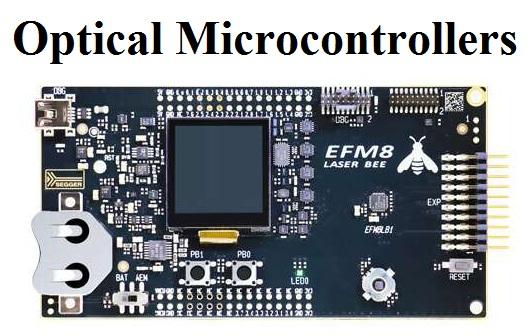
The report on the global Optical Microcontrollers market studies the existing as well as the future visions of the global Optical Microcontrollers market. It includes a detailed outline of the global Optical Microcontrollers market along with market pictures. Also, it offers a complete data of the various segments in the global Optical Microcontrollers market study. The report analyzes each segment of the global Optical Microcontrollers market on the basis of application, end-user, and region. In addition, it also highlights the dominating players in the market joined with their market share.
Impact of COVID-19
The report includes extensive coverage of the significant impact of the COVID-19 on the Optical Microcontrollers Market. The corona virus epidemic is having an enormous impact on the global economic landscape and thus on this special line of business. Therefore, the report offers the reader a clear concept of the current scenario of this line of business and estimates the aftermath of COVID-19.
>>>Get a Sample Copy of the Report at –https://www.rubixmarketresearch.com/request-sample/8035
The global Optical Microcontrollers market report is assessed on the basis of revenue (USD Million) and size of the global Optical Microcontrollers market. It analyzes various market dynamics such as drivers, limitations, and opportunities impacting on the Optical Microcontrollers market. It also predicts the influence of these key elements on the growth of the Optical Microcontrollers market in the upcoming period. Through the market share study, the competitive scenario of the dominating market players is assessed.
The report demonstrates the present trends and strategies adopted by the most leading players in the market. This analysis helps the leading as well as new market players to strengthen their positions and enhance their share in the global Optical Microcontrollers market. The data demonstrated in the global Optical Microcontrollers market research report helps the market players to stand firmly in the global Optical Microcontrollers market.
This Optical Microcontrollers market report scrutinizes the key organizations like:
Maxim Integrated
Texas Instruments
Microchip Technology
Optical Microcontrollers Market Segmentation:
Based on Type:
8 Bit Microcontroller
16 Bit Microcontroller
32 Bit Microcontroller
Based on Application:
PON Diplexers and Triplexers
Optical Transceivers
Others
The following regional segments are covered comprehensively:
Objectives of the Report
-To carefully analyse and forecast the size of the Optical Microcontrollers market by value and volume.
-To estimate the market shares of major segments of the Optical Microcontrollers market.
-To showcase the development of the Optical Microcontrollers market in different parts of the world.
-To analyse and study micro-markets in terms of their contributions to the Optical Microcontrollers market, their prospects, and individual growth trends.
-To offer precise and useful details about factors affecting the growth of the Optical Microcontrollers market.
-To provide a meticulous assessment of crucial business strategies used by leading companies operating in the Optical Microcontrollers market, which include research and development, collaborations, agreements, partnerships, acquisitions, mergers, new developments, and product launches.
The report provides insights on the following pointers:
Market Penetration: Comprehensive information on the product portfolios of the top players in the Optical Microcontrollers market.
Product Development/Innovation: Detailed insights on the upcoming technologies, R&D activities, and product launches in the market.
Competitive Assessment: In-depth assessment of the market strategies, geographic and business segments of the leading players in the market.
Market Development: Comprehensive information about emerging markets. This report analyzes the market for various segments across geographies.
Market Diversification: Exhaustive information about new products, untapped geographies, recent developments, and investments in the Optical Microcontrollers market.
Read Detailed Index of full Research Study at @ https://www.rubixmarketresearch.com/optical-microcontrollers-market-size-by-application-pon-diplexers-and-triplexers-optical-transceivers-others-
The report has been compiled through extensive primary research (through interviews, surveys, and observations of seasoned analysts) and secondary research (which entails trade journals, and industry body databases). The report also features a complete qualitative and quantitative assessment by analyzing data gathered from industry analysts and market participants across key points in the industry’s value chain.
Any special requirements about this report, please let us know and we can provide custom report.

The job profile of a full-stack developer is a very popular one such that many full stack development training institutes have designed a full stack developer course. . These training institutes also offer job guarantee and lifetime support to ensure you have a successful career in full stack development. This article will help you know the steps to gain a successful entry into the challenging and competitive IT industry.
Here are the 6 top steps for you to follow before or during a full stack developer course.
The first step: Learning diverse programming languages
Ensure that you are taught the following languages during a full stack developer course
HTML and CSS
The entire World Wide Web revolves around diverse programming languages and technologies. The first is HTML which is a tool that helps developers enters content into a website. The second one is CSS, a designing tool which modifies the appearance of web applications. These are essential tools that you would learn in a full stack developer course.
Java Script
A full stack developer must know JavaScript as it can be used to create browsers and as a server-side language as well. It also can be used in front-end and back-end processes
Backend processes
One needs to learn one language for coding backend processes after mastering the basics of HTML,CSS and Javascript. There are different functions in a back-end of a web application such as database applications, user validation and logical operations. All these are taught in a full stack developer course.
The second step: brush up your knowledge
The second step is to test and brush up your knowledge gained during a full stack developer course. You can do that by creating a web application right from scratch.
https://www.technobridge.in/full-stack-developer-course.html
The third step: Master one popular technology
During a full stack developer course, you need to learn the fundamentals of one popular language. This helps you carry out your tasks in an efficient manner as well as compete with others in the field.
The fourth step: Enroll in a course
One’s learning does not stop even after completing a full stack developer course. As new technologies make an entry, one needs to be constantly updated with the knowledge that is trending currently. Another full stack developer course will update your knowledge.
The fifth step: get hands-on experience
One can only understand their daily tasks, roles and responsibilities after implementing their knowledge practically. For this, you need to enroll in a full stack developer course that gives you the opportunity to build a web application from scratch.
The sixth step: Take up additional projects
You could work on projects that use programming languages other than your expertise. As a result, you will not only gain additional skillsets but add value to your organization.
To summarize, you can take the following steps either before, during or after a full stack developer course.
In the current times, full-stack development is a highly demanded role in the IT industry. For that reason, moat institutes have structured a full-stack developer course to teach students the various concepts. They require certain front-end and back-end development technologies that are seeked by most technology teams. This enables professionals to apply for both software engineering jobs and web development jobs. A full stack developer course will make you a professional in 90 days.
Get an Understanding of Full Stack Development
One needs to understand the concept of full stack development before developing an advanced skill-set. A Full stack developer course gives you an overview at the beginning of the course. Full Stack Developers are those developers who work with both front-end and back-end of a website or application. They have an understanding of HTML, CSS, JavaScript and a few back-end languages. This is the reason why they are known as full-stack developers. It is due to their ability to build sites and apps from end to end. After the completion of the full stack developer course, a student will be proficient in all programming languages, frameworks and technologies.
The Differentiation between a Full Stack Developer and Software Engineer
There is a clear cur difference between a full stack developer and a software engineer. Full Stack Developers are those who are qualified to work on the front-end as well as the back end applications. Hence full stack developers can be considered as software engineers. On the other hand, software engineers are programmers who work on few aspects of developing a software program. Therefore, they are not full stack developers. A full stack developer course gives one the fundamental of full stack development during a course.
Identify the Front-End and Back-End Skills Lacked During a Full Stack Developer Course
There are some essential skills that will help you get a full stack developer join. They are :
A full stack developer course helps you get these skills.
https://www.technobridge.in/full-stack-developer-course.html
Programming Languages that should be known by a Full Stack Developer
-HTML
– CSS
– Javascript
You can learn these skills in a full stack developer course.
The Required Skills of a Back-End Developer
-API architectures
-Database Management
– A basic understanding of front-end technologies
The Programming Languages Needed to be Known by Back-End Developers
-Python
-PHP
These languages are commonly taught in a full stack developer course.
Create a Web Development Portfolio during a Full-Stack Developer Course
A full stack developer course also gives you the opportunity to work on different projects. Apart from that, you could also take up personal projects while you are doing a course. It helps you demonstrate that you know your subject matter.
The Diverse Job Profiles after Full-Stack Developer Course
One gets several job opportunities after completing a full stack developer course. Here are some of the job profiles you could get after a course;
To summarize, a full stack development course gives you the knowledge of several programming languages, frameworks and concepts. One could also get rewarding job profiles after the course.
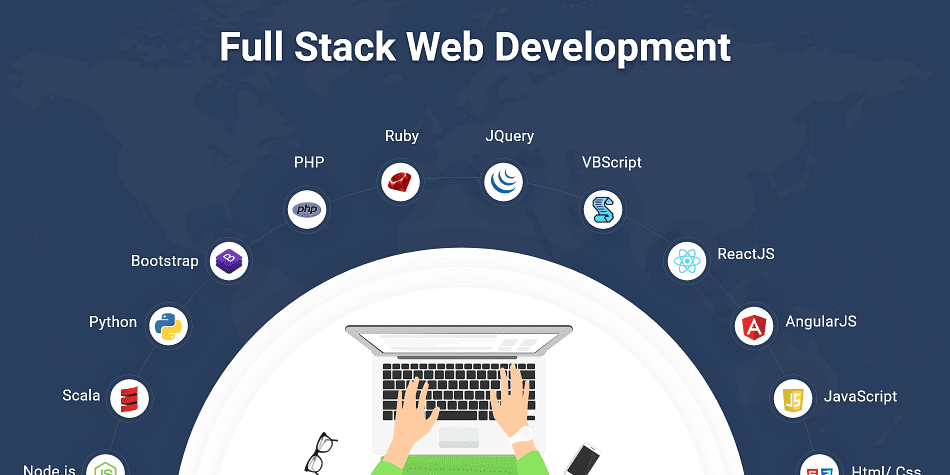
In the past, companies have recruited three different developers’ namely front-end, back-end and database specialists who team up in order to give consumers the final product. However, the current circumstances demand developers who are proficient in front-end, back end and database. At the same time, there are certain skills that are needed by a full-stack developer. A full-stack developer is expected to have in-depth expertise on web and app development. One includes user interface creation, coding and database building, editing images in Photoshop, adding animation and other vital functions.
Here are the reasons why you should pursue a full stack developer course .
One Gets to Master a Variety of Vital Skills
One need to have an understanding of back –end coding and database technologies. This includes Ruby, Python, Nodejs and PHP, webservers such as Apache and database management systems such as MySQL,JSON and SQL. Apart from that, one should also be good at front end engineering using programming languages and frameworks such as CSS, JavaScript, HTML Angular JS and JQuery. This knowledge will make you the best professional in the global IT market. A full stack developer course will help you gain these skills.
Expanding Growth Prospects
A full stack developer course will open the door to various growth prospects, A front-end and back end developer will only give one limited options. However, a full-stack developer course will help one climb up the corporate ladder and go to greater heights. In addition to this, one will be flexible to several web and app development ecosystems which will increase ones’ chances of getting hired with a rewarding pay package.
https://www.technobridge.in/full-stack-developer-course.html
The Opportunity to be a Part of Impactful Projects
Once you have completed a full stack developer course and recruited in renowned companies. You get the opportunity to be a part of significant projects because of their expertise. Once the person takes up different projects and develops them from scratch. A full stack developer can take credits for a project unlike front and back end developers. A Full stack developer course gives you such opportunities.
More Job Opportunities
A full stack developer will definitely get more opportunities after a full stack developer course. According to a United Stated Bureau of Labor Statistics, the availability of jobs in Full Stack development will increase from 135,000 to more than 853,000. One should take advantage of the growing trends and enroll in a full stack developer course. You will definitely get jobs as companies are seeking full stack developers.
Highest Paid Individuals
Full stack developers are one of the highest paid individuals in the competitive IT industry. They are demanded for their unique ability to solve problems from end to end with no disruptions in the development chain. One can get these opportunities by enrolling in a full stack developer course.
To summarize, one has five different reasons to become a full stack developer.

 clinical research courses